Image

Instrument Expert
Original factory packaging

Service Hotline:
(+86)010-52867771
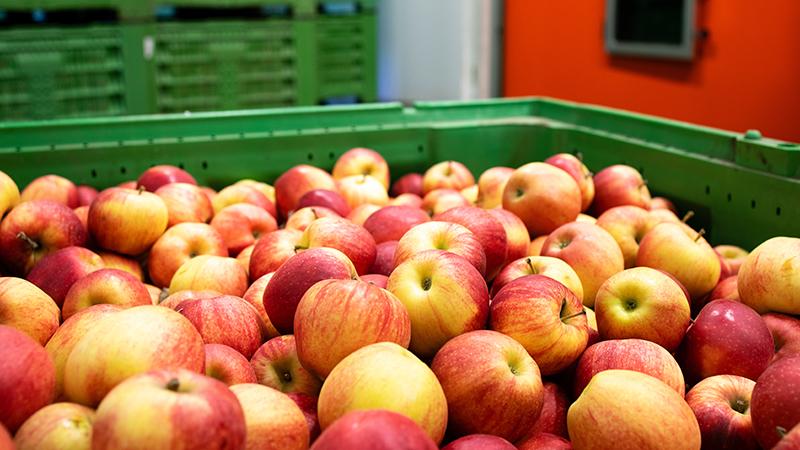
From the crispness of our apples and the fizz in our drinks to the sustainability of agriculture and the safety of workers, carbon dioxide, or CO2, is an essential part of the food chain. And anywhere CO2 is used it needs to be monitored using accurate sensors to ensure levels are neither too high nor too low. Let’s take a look at some of the places along the food chain where CO2 is monitored and see how keeping a close watch on it helps to ensure safety, sustainability – and delicious food and drinks.
CO2 monitoring supports sustainable agriculture
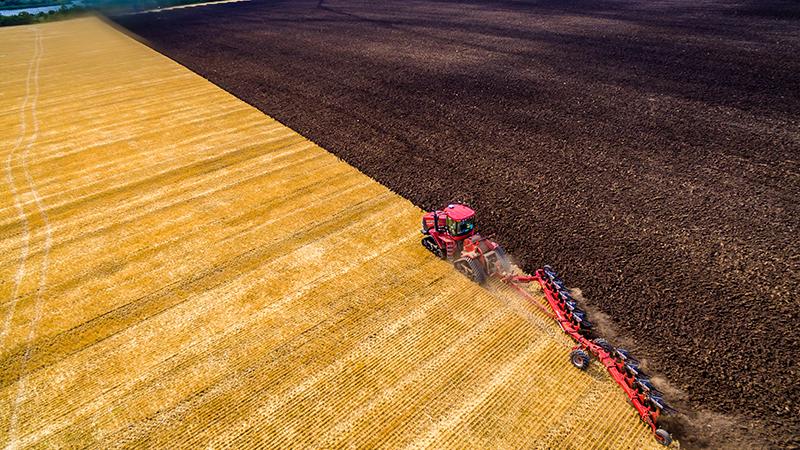
CO2 is present in soil in much higher concentrations than found in the atmosphere, so it’s no surprise that conventional farming can be responsible for high emissions levels. Ploughing and tilling adds air and decompresses the soil, accelerating decomposition and releasing carbon dioxide into the atmosphere. CO2 monitoring with Vaisala sensors has shown that regenerative farming methods that don’t add air to the soil slow down decomposition, resulting in lower CO2 emissions and better soil quality.
Environmentally friendly farming is good for soil health, food production, and the planet, helping to increase the amount of organic matter, trap CO2, and make soil more resistant to drought and better able to withstand flooding. Farmers who implement sustainable methods that increase the soil’s capacity to sequester carbon could be eligible for government incentives in the future – and measuring the impact of these efforts will require further CO2 monitoring.
Optimal growing conditions for primary production
In controlled environmental agriculture (CEA), vertical and container farming, greenhouse farming, and building-integrated agriculture, reliable measurements are essential to optimize growing conditions, prevent crop damage, and decrease operational costs. CO2 is a necessary component of photosynthesis so to maximize yield and minimize costs in enclosed environments, CO2 levels need to be accurately monitored and carefully maintained.
Monitoring CO2 (along with temperature and relative humidity) using Vaisala sensors allows conditions to be controlled with a high degree of accuracy, ensuring optimal growing conditions are maintained. Once produce is picked, it needs to be stored in controlled conditions to ensure the timely ripening of fruit and to avoid food spoiling in storage, during transportation, and in retail premises – and once again it’s CO2 sensors that help do this, helping to keep our food fresh and as tasty as possible.
Keeping workers healthy and safe
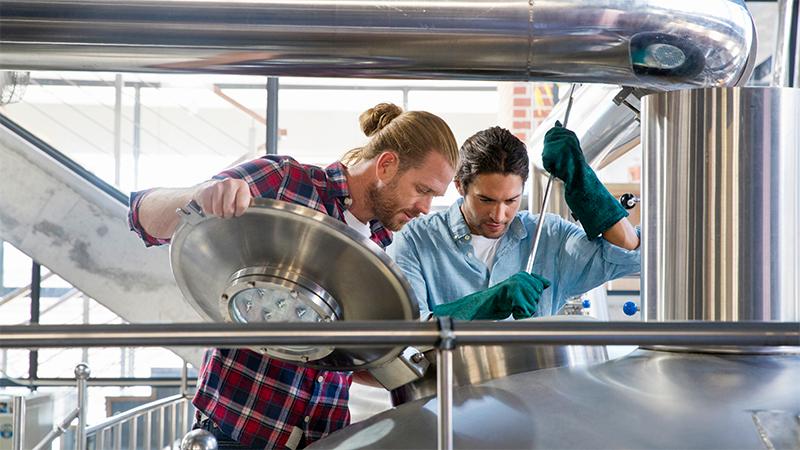
Like a fizzy soft drink? The bubbles are made by adding CO2 to the drink during the bottling process. Prefer something a little stronger? The fermentation process is perhaps most commonly known as a key step in the production of alcoholic drinks such as beer and wine, but it is also an important process in the production of enzymes, antibiotics, and amino acids – and of course it relies on CO2. In food and beverage production environments like these, CO2 needs to be monitored closely because it is a colorless, odorless gas that poses a risk to human health in high concentrations. In fermentation facilities, bottling plants, and at several other points along the food chain – including storage facilities and retail stores – monitoring CO2 levels using sensors is essential to keep workers healthy, safe, and productive.
Increasing the sustainability of the food chain
Over a third of all food produced globally goes to waste, so anything that can help turn that waste into value significantly increases the sustainability of the food chain. CO2 is one parameter that needs to be monitored when producing biogas from food waste. Using sensors to monitor CO2 in biogas plants helps to ensure optimal operation and substantially better biogas yield, making the process more efficient and turning wasted food into a valuable energy source.
As you can see, CO2 monitoring is an important parameter in every link of the food chain, keeping workers safe, making food production more sustainable, and increasing both the quality and yield of the food we eat. Something to think about next time you’re picking out produce in the store, or raising a glass of something bubbly to drink!
Customer Service QQ
Customer Hotline:
Technical Supports

 3003988120
 yiqi.com
 bio-equip.com
 b2bwork.baidu.com
 baidu.com